Reflections from Berlin: Gabriel Vincent Tese on Defending at the Ecocide Tribunal
From February 16–20, Spector Gadon Rosen Vinci P.C. Member Gabriel Vincent Tese had the privilege of representing the defense at the Ecocide Tribunal in Berlin, Germany, convened by The Court of Citizens of the World (CCW). The proceedings brought together jurists, scholars, advocates, scientists, and legal practitioners from across the globe to confront one of the most pressing questions of our time: whether international law imposes enforceable obligations on States to prevent environmental destruction rising to the level of ecocide.
The Tribunal was conducted in two legally connected phases: a civil proceeding addressing State responsibility under international environmental law, and a criminal inquiry examining individual and collective liability for crimes against humanity arising from environmental harm. As a People’s Tribunal, CCW seeks to create an evidence-based record of alleged international law violations, promote public awareness, and contribute to the development of international legal norms. While not formally binding, these proceedings are modeled on international criminal court standards, applying rigorous procedural safeguards, formal advocacy, and judicial deliberation.
Tese was tasked with defending five States accused of failing to take adequate action to mitigate climate change in accordance with international legal obligations. The case presented profound legal, scientific, and philosophical challenges. It required careful engagement with evolving doctrines of customary international law, principles of State responsibility, and contested climate science assumptions that increasingly influence global policymaking.
Despite a vigorous defense, the Tribunal ultimately held that States do possess affirmative obligations under international law to prevent environmental harm and concluded that the five accused States had failed to meet those obligations. The full verdict underscores the accelerating momentum toward codifying environmental protection as a core human rights obligation under international law.
Key Takeaways: Law, Science, and Unresolved Questions
While climate change is real and there is no credible dispute that human activity has contributed to it, significant legal and scientific questions remain unresolved.
From a legal perspective, much of the Tribunal’s reasoning rests on evolving interpretations of international environmental law and a June 2025 advisory opinion issued by the International Court of Justice (ICJ). In that opinion, the ICJ concluded that States have a general obligation to refrain from causing environmental harm through greenhouse gas emissions. However, critical questions remain as to whether customary international law imposes specific, enforceable prohibitions requiring States to meet particular emissions thresholds. Advisory opinions, while influential, are not binding, and the translation of aspirational legal principles into enforceable norms remains unsettled.
Equally important are unresolved scientific debates underlying climate policy. Although the majority of climate scientists agree that increased greenhouse gas emissions contribute to warming, the climate models underpinning the IPCC Sixth Assessment rely on assumptions of substantial positive feedback mechanisms. These feedbacks dramatically amplify projected warming outcomes, yet remain scientifically contested. There are legitimate questions as to whether these assumptions reflect empirical certainty or are influenced by political and policy objectives. In short, while precaution is prudent, scientific humility remains essential.
The Path Forward
The Ecocide tribunal reflects a growing international movement to embed environmental stewardship into the architecture of international human rights law. This movement is driven by urgent concerns about environmental degradation, biodiversity loss, and climate risk. At the same time, it must grapple with complex questions of causation, proportionality, sovereignty, economic development, and scientific uncertainty.

You May Also Like


Alan B. Epstein Selected To Lawdragon’s 2026 list of 500 Leading Civil Rights & Plaintiff Employment Lawyers



SGRV Pitches in for the Fifth Year in a Row for Ronald McDonald House Philadelphia’s “Family to Family” Program

Alan B. Epstein Selected To Lawdragon’s 2025 list of 500 Leading Civil Rights & Plaintiff Employment Lawyers


Bruce Bellingham Named a 2025 Volunteer Lawyer of the Year by Philadelphia Volunteer Lawyers for the Arts


SGRV Pitches in for the Fourth Year in a Row for Ronald McDonald House Philadelphia’s “Family to Family” Program


SGRV Of Counsel Brooke C. Madonna Receives Major Media Coverage after Successful Dismissal of Her Client

Third Circuit Finds ‘Make Whole Premiums’ Constitute Unmatured Interest That Must Be Paid By Solvent Debtor

Alan B. Epstein Selected To Lawdragon’s 2024 list of 500 Leading Plaintiff Employment & Civil Rights Lawyers


SGRV’s George M. Vinci Jr. and David B. Picker Featured in Law360 Following Delaware Supreme Court Argument




SGRV’s Jennifer Myers Chalal to Serve as Hearing Committee Member on Disciplinary Board of the Supreme Court of Pennsylvania

U.S. Supreme Court Rejects Request by Creditors to Stay Plan Enforcement in Boy Scouts of America Bankruptcy Case

SGRV Attorney Brooke C. Madonna Protects Clients from Emergency Injunctive Relief in $10 Million Lawsuit




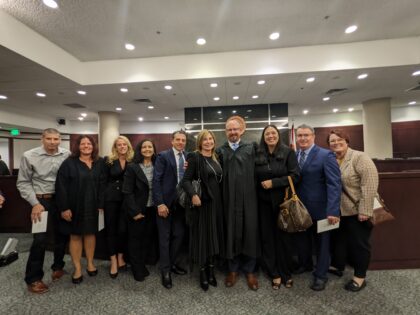
Former SGRV Member Hon. Cory L. Chandler Inducted into The 13th Judicial Court of Hillsborough County

SGRV Pitches in for the Third Year in a Row for Ronald McDonald House Philadelphia’s “Family to Family” Program






U.S. Supreme Court Will Weigh In On “Non-Consensual Third-Party Releases” In Purdue Pharma Bankruptcy Involving Opioid Crisis
Alan B. Epstein Selected To Lawdragon’s 2023 list of 500 Leading Plaintiff Employment & Civil Rights Lawyers


Pregnancy Workers Fairness Act Requiring Reasonable Accommodations for Pregnant Employees Goes into Effect

The United States Supreme Court Finds That a Real Estate Tax Foreclosure Can Violate The Fifth Amendment’s Taking Clause


SGRV Attorney Stanley P. Jaskiewicz Explains Rights and Obligations of Citizenship to Local Boy Scouts







SGRV Employment Law Chair Alan B. Epstein Selected as Labor and Employment Star by Benchmark Litigation

SGRV’s Alan B. Epstein and Jennifer Myers Chalal Receive Judgement of over $250,000 in Favor of Client


Alan B. Epstein Selected to Lawdragon’s Hall of Fame and 500 Leading Employment and Civil Rights Lawyers




Delaware Bankruptcy Judge Issues Opinion Regarding Discharge of Student Debt for Student with Disability







Alan B. Epstein Selected To 2021 list of 500 Leading Plaintiff Employment & Civil Rights Lawyers by Lawdragon™





NJ Bankruptcy Court Adopts 5th and 11th Circuit Position Regarding Ability to Cure Post-Petition Mortgage Arrearage In Modified Chapter 13 Plan




Third Circuit Opines as to Definition of Executory Contract: There Is Not Always a ‘Silver Lining’ For All Who Follow the ‘Playbook’





Third Circuit Holds That a Stalking Horse Bidder Can Assert an Administrative Claim Even if Its Termination Fee Is Not Allowed





SGRV Shareholder and Director George M. Vinci Jr. Selected to National Law Journal’s Insurance Trailblazer List


Don’t Shoot the Messenger! Your Bills Are Still Due, Even Though the Post Office Never Delivered Them

Heather M. Eichenbaum Discusses the Broad Circumstances in which Lawsuits may be Filed in December 2020 Park World Magazine

U.S. Supreme Court Rules That Repossessing Creditor Does Not Violate Automatic Stay By Keeping Property



SGRV Managing Member Daniel J. Dugan Achieves Successful Result for Montgomery County Country Club Lender



Department of Labor Updates Regulations For Family First Act Paid Sick Leave and Expanded FMLA Leave



Heather M. Eichenbaum Discusses Investing in Protecting Amusement Intellectual Property in Autumn 2020 Park World Magazine


SGRV Employment Law Chair Alan B. Epstein Selected as Labor and Employment Star by Benchmark Litigation

Leslie Beth Baskin Selected To Inaugural List Of 500 Leading U.S. Bankruptcy & Restructuring Lawyers By Lawdragon™



Alan B. Epstein and Jennifer Myers Chalal Receive Summary Judgment Win in City of Philadelphia Employment Discrimination Case
Leslie Beth Baskin Named Co-Chair Of International Women’s Insolvency And Restructuring Confederation Greater Phila. Chapter


Spector Gadon Rosen Vinci P.C. Chairman Paul R. Rosen Announced as 2020 Lifetime Achievement Award Winner by the Legal Intelligencer















Business Law Today Article by Edward M. Dunham Jr. Explores Intersections of Insurance Coverage and Cyber Security
Heather M. Eichenbaum Discusses Ride Attendant Training Tips in November/December 2019 Park World Magazine
George M. Vinci, Jr. Selected as 2019 Best of the Bar: Philadelphia’s Top Lawyers by Philadelphia Business Journal

George M. Vinci, Jr. to Speak on Creating a Defense Strategy When the Legal Malpractice Claim is Still Developing


Analysis: U.S. Supreme Court in North Carolina Department of Revenue v. Kimberley Rice Kaestner 1992 Family Trust

SGRV Announces Promotion of Cory Chandler, Amy L. Christiansen and Karen E. McManus Rich as Members of Firm


SGRV Attorneys Alan B. Epstein and Jennifer Myers Chalal Receive PA Supreme Court Victory in Long-Standing Defamation Case

SGRV Attorneys Brooke C. Madonna and Stephanie V. Shreibman Win Unanimous Defense Verdict in Nursing Home Case



SGRV Attorney Heather M. Eichenbaum Receives PA Supreme Court Decision In Favor of Philadelphia Triathlon, LLC


SGRV Attorney John T. Asher, III Secures N.J. Superior Court Appellate Division Decision Affirming Summary Judgment on Basis of Exclusive Remedy of the N.J. Workmen’s Compensation Act

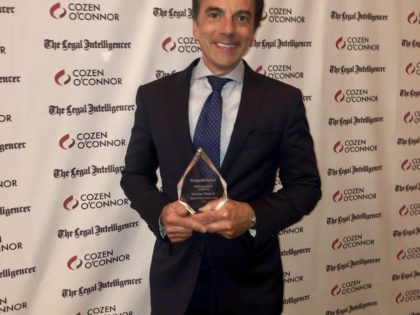
George M. Vinci, Jr. Selected as 2019 Professional Excellence Award Winner by The Legal Intelligencer
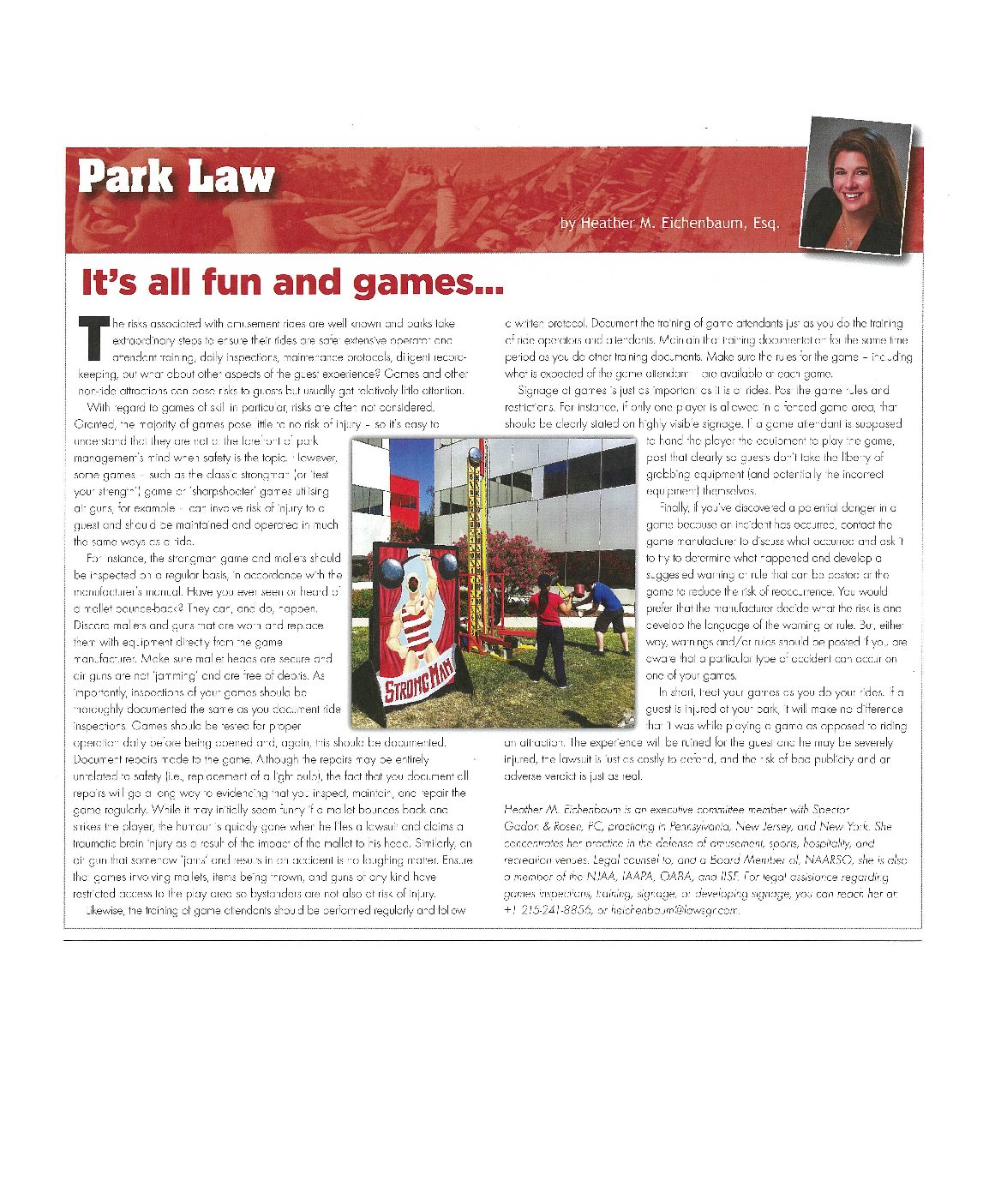
Heather M. Eichenbaum Discusses Game and Other Non-Ride Attraction Risks in March 2019 Park World Magazine


Spector Gadon & Rosen Announces George M. Vinci, Jr. Joins Chairman Paul R. Rosen as Equity Shareholder and Director; New Firm Name and Logo Unveiled





Federal Judge Sanctions Plaintiff, Cautions Defense about Bypassing Arbitration in Patent Infringement Case


Heather M. Eichenbaum Discusses Employee Satisfaction Interviews in November/December 2018 Park World Magazine


Rep. Jared G. Solomon Featured in November 2018 Philadelphia Magazine Article, “Meet the New Northeast Philadelphia”